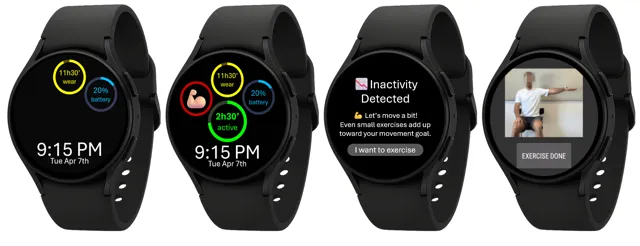
ActiVary · smartwatch coach for arm use after stroke ↗
Wear OS app that measures active and diverse arm movement all day, sets adaptive goals and nudges with haptics. 9-week home pilot with 14 stroke survivors (BSN 2026).
Postdoctoral scholar at UC Irvine. I design, build and clinically validate movement-sensing tools, from on-device smartwatch algorithms to 3D body tracking from a single phone video, so rehabilitation can be measured at home.
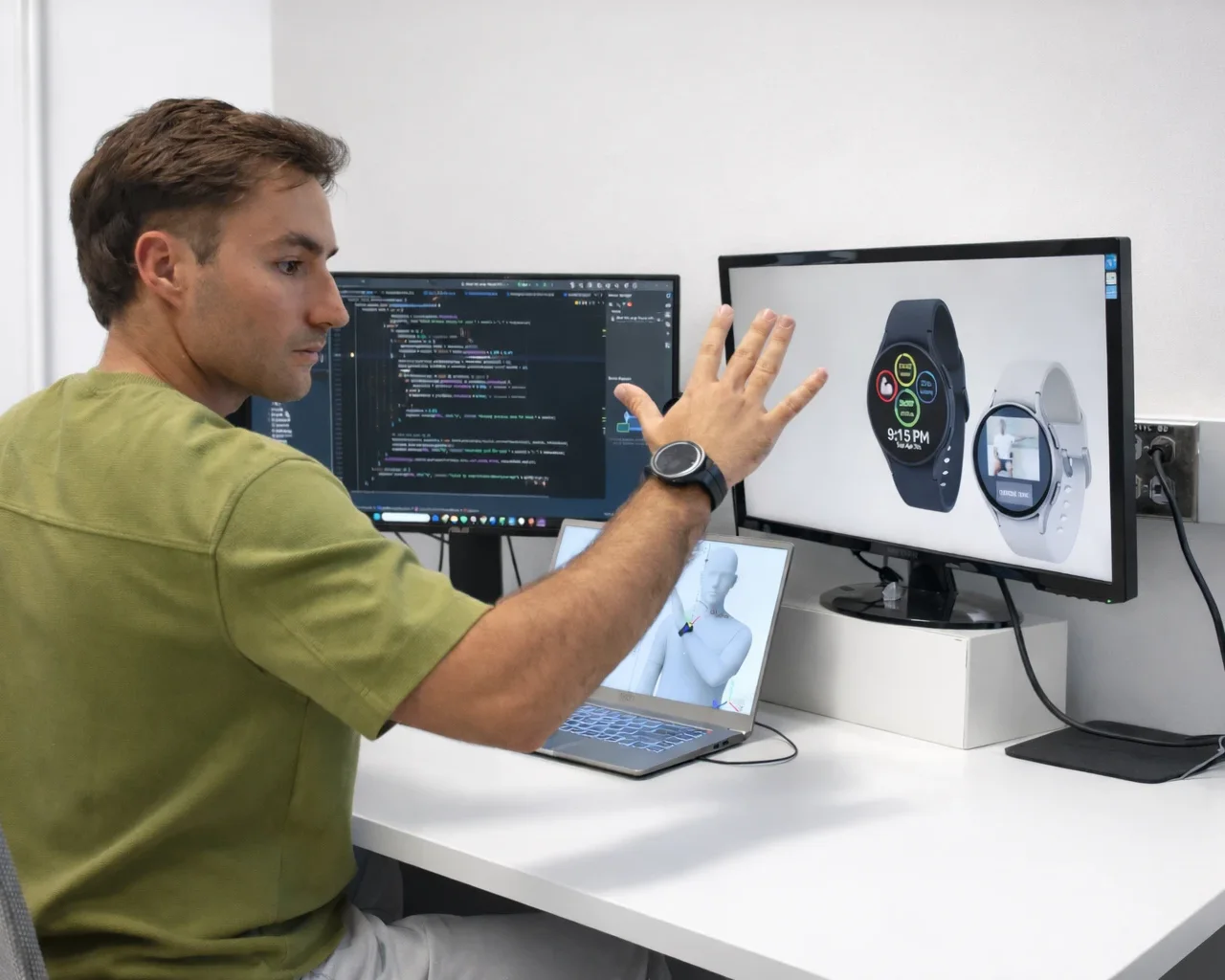
No markers, no sensors, no lab. One phone video of a patient reaching as far as they can in every direction.
I use state-of-the-art monocular 3D models to track body and hand pose from a single camera, and benchmark and optimise the processing so the motion is stable and accurate.
A sphere around the shoulder is split into the clinical regions used in the validated reachable workspace test.
Every hand position is coloured by region, and the area covered becomes the reachable workspace score clinicians use in ALS, DMD and stroke.
Minutes of purposeful arm use, computed on the watch from 50 Hz accelerometry, worn on the affected side.
Off-body and heart-rate sensors detect wear, so missing data is never mistaken for inactivity.
A baseline week sets the goal at 125%, then it adapts: +10% when you hit it, -5% when you don't.
After 30 inactive minutes the watch vibrates. In a 14-person stroke pilot, arm activity rose significantly in the 15 minutes after each nudge.
Personalised, diverse exploratory exercises, one tap away.
Kurtosis of wrist tilt measures how varied movement is, in real time, on the watch. Sensors 2024 ↗
9-week home pilot after stroke (BSN 2026). Java · Wear OS · Room · custom watch face. Paper ↗ GitHub ↗
Wear OS app that measures active and diverse arm movement all day, sets adaptive goals and nudges with haptics. 9-week home pilot with 14 stroke survivors (BSN 2026).
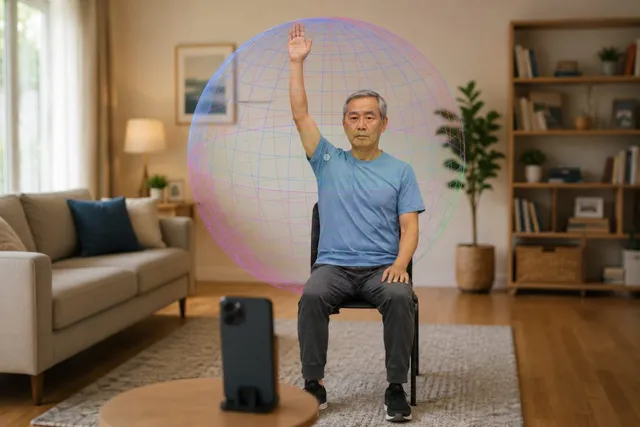
Full 3D body mesh from a single phone video, scored with the clinical reachable workspace protocol for ALS, DMD and stroke studies.
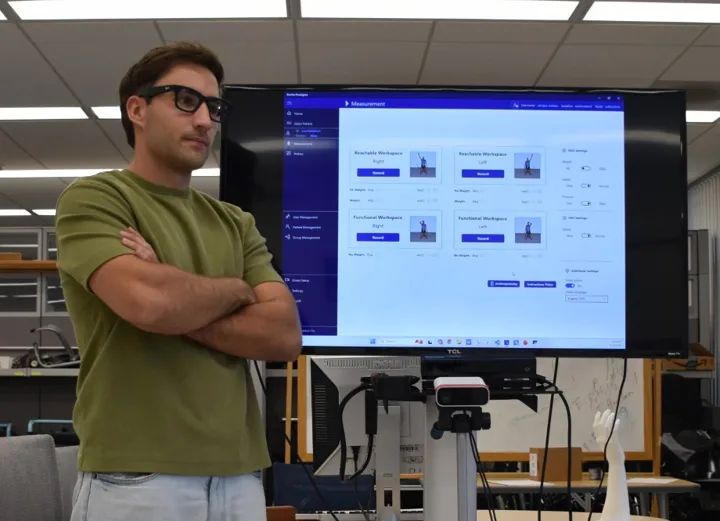
Prototyping perception pipelines with foundation models on Ray-Ban Meta glasses: guided capture, cloud analytics and automatic range-of-motion reports.
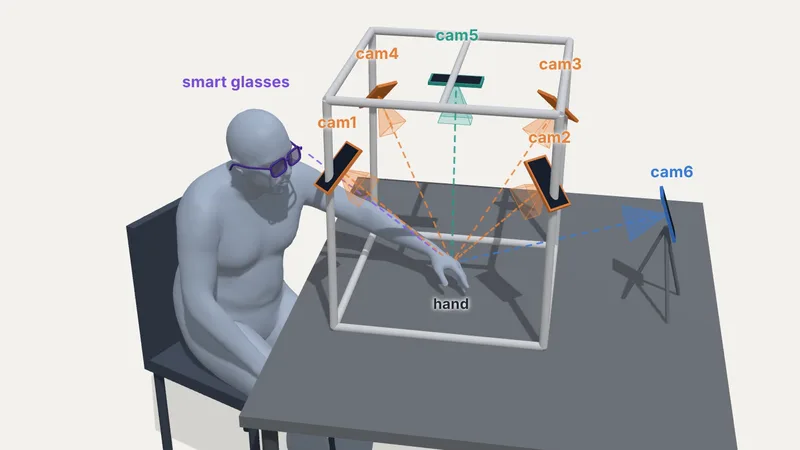
Critical evaluation of monocular 3D hand-tracking models against multi-iPhone 3D reconstruction, for hand-dexterity outcomes.
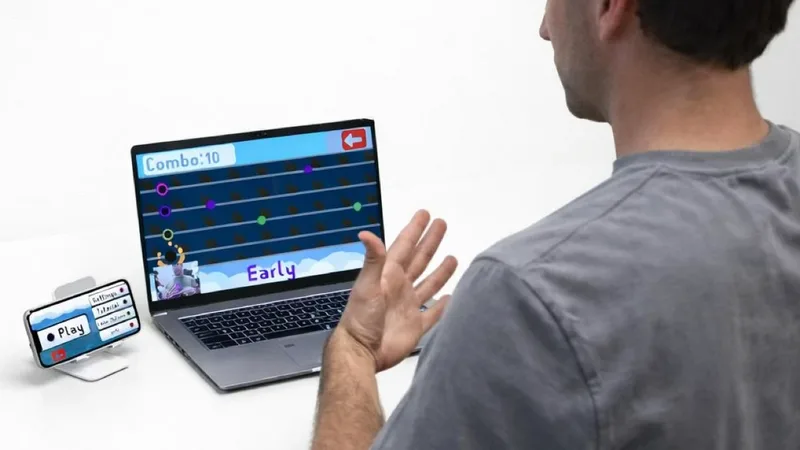
AR game that trains finger proprioception with a single camera. Led usability testing with clinicians, designers and engineers through App Store release.
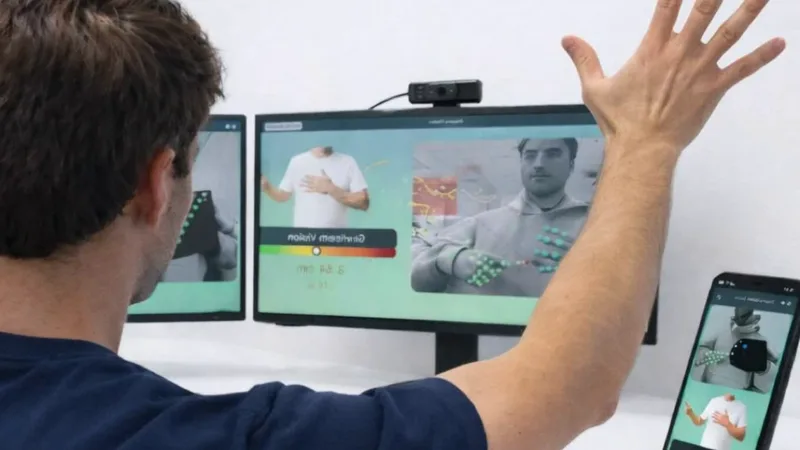
Point to a finger hidden by AR; computer vision measures the error. Full-stack web app, validated in 40 adults and 16 people post-stroke (Sensors 2024).
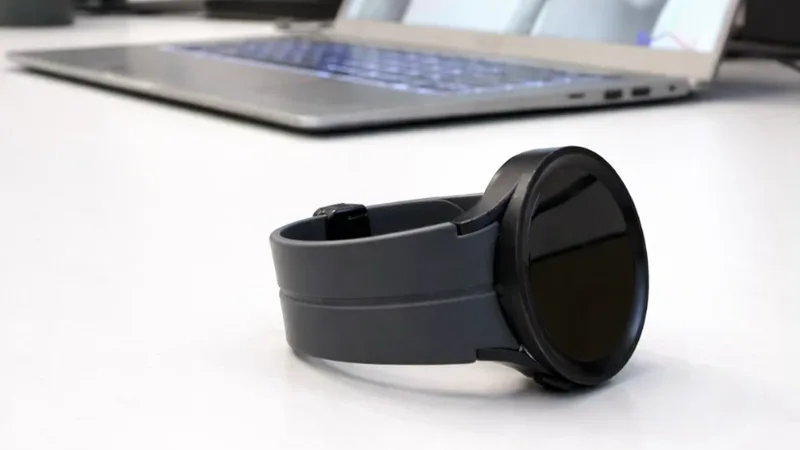
iOS app and open benchmark of deterministic and learning-based repetition counters across exercise, daily-living and rehab datasets.
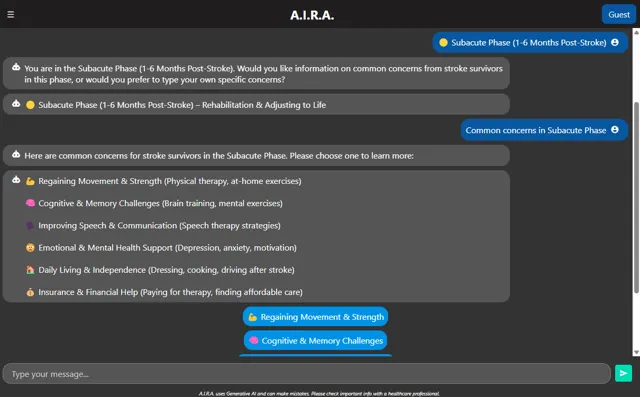
Cross-platform conversational app that guides stroke survivors to rehabilitation information, designed for behaviour change.
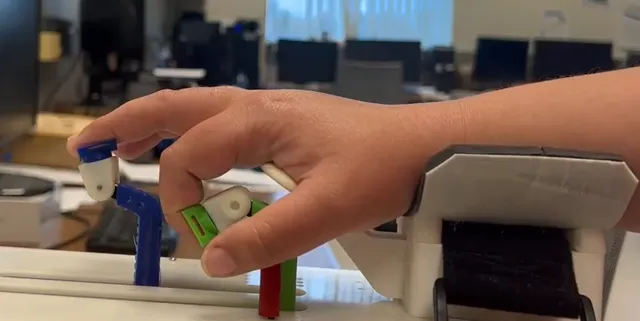
MediaPipe versus VICON joint angles, and finger MCP velocity from video, benchmarked against ground truth.
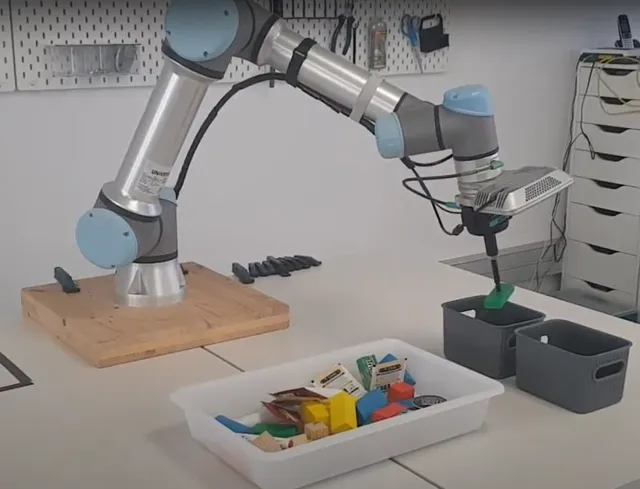
MSc thesis at Bitmetrics: fine-tuned vision models that fuse colour and depth, about 10% better segmentation for robotic picking.
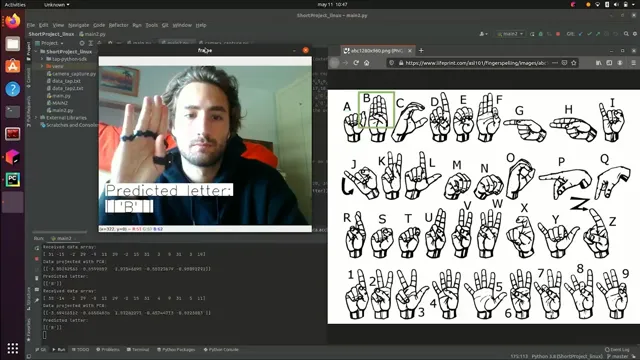
From a sign-language classifier to an ACM paper: gesture elicitation plus recognition of 27 gestures at 99.3% F1 without deep learning.
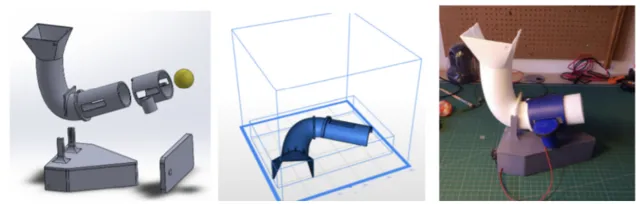
Vision-guided tossing robot trained with Q-learning and DDPG + HER, simulated in Gym and Gazebo before the real build.
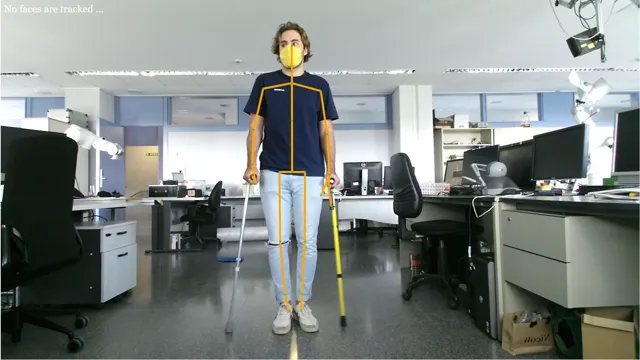
Recognised the four most common crutch gait patterns from Kinect v2 skeletons with an SVM (87.8% accuracy).
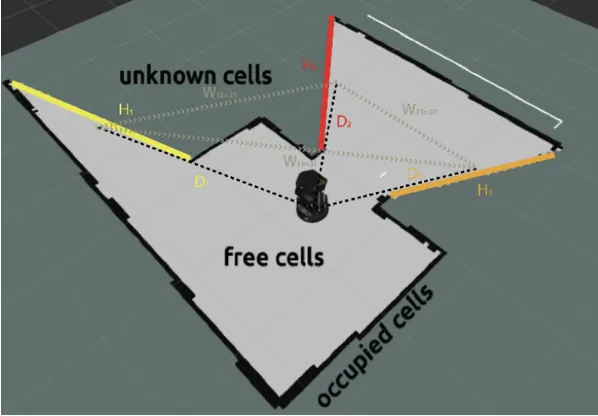
Custom exploration strategy for a laser-scanning mobile robot, compared with biggest- and closest-frontier methods.
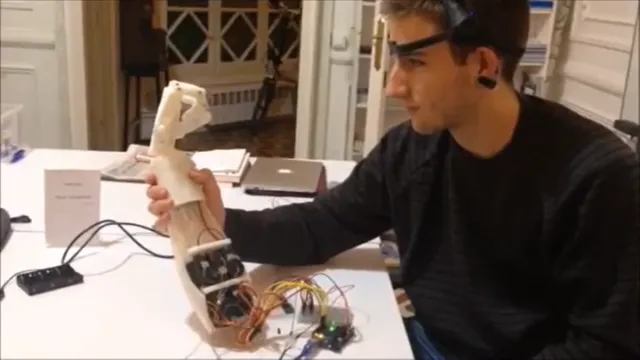
Crowdfunded prosthetic hand driven by EEG alpha waves through a brain-computer interface.
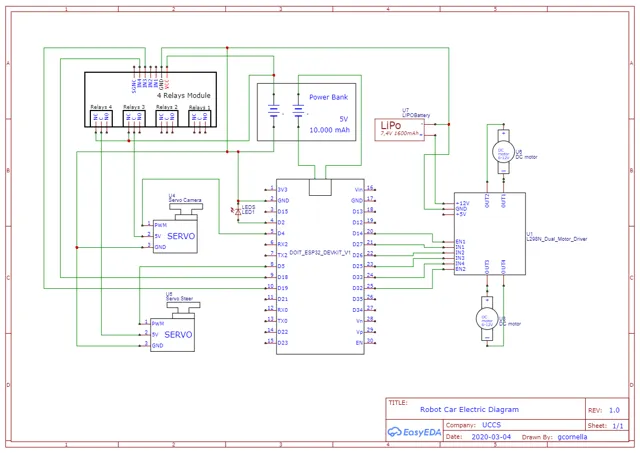
Bachelor's thesis at UCCS on a Balsells scholarship: ESP32 robot driven by a C# app and an Xbox controller, with live camera feed.
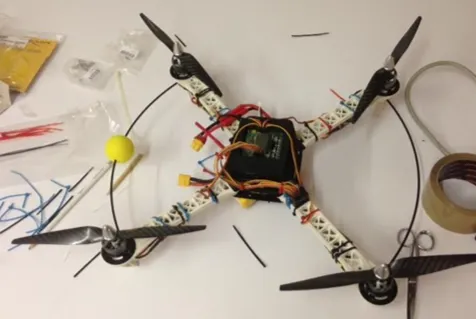
Designed, coded and built a drone to film sports events, crowdfunded.